
Satjot ART Bank
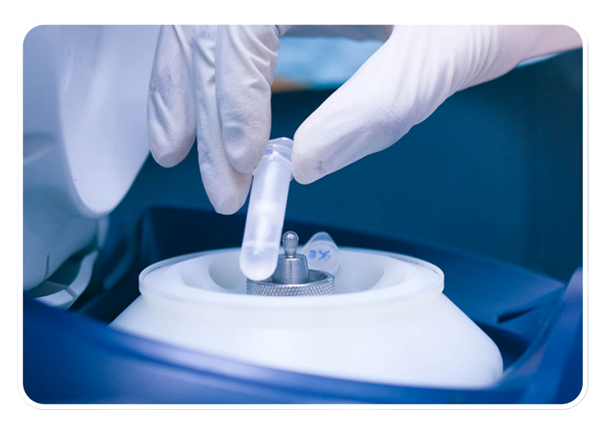
Donating gametes is an extraordinary act of generosity.
The introduction of Assisted Reproduction Technology has brought with it procedures that allow couples who cannot conceive using their own gametes, the alternatives of achieving pregnancy through the use of donated oocytes, donated sperm, or even donated embryos.
The donation of oocytes by reproductive-age women or embryos to perimenopausal or menopausal women have made childbearing possible without the limitation of age. Donor insemination has long been an option for addressing the male factor infertility or other related problems.
Artificial Insemination with Donor Semen
When the husband is unable to produce sperm, ART with Donor semen enables a couple to achieve pregnancy even though the husband is not the biological father.
The conditions of anonymity and screening of the donor is met and only frozen sperm samples that have passed appropriate quarantining for infectious diseases such as HIV, hepatitis B and C are used. Every effort is made to match phenotypic characteristic of the recipient and the donor such as race, hair, eye colour, height and body built up etc.
Oocyte Donation
Egg donation is when a young, healthy woman donates her eggs to another infertile woman, allowing her to fulfill their parenthood dreams. The donor oocytes are fertilized with husband’s semen of the desirous couple and the resultant embryos are transferred to the infertile female partner. One of the main benefits of egg donation is its high success rate. Donors are thoroughly screened to ensure that they have high-quality and viable eggs. Electing to use bank for eggs or egg donor put you in control of your timeline, Donor eggs are only utilized when the female’s eggs are not suitable for creating an embryo to conceive. It is a part of assisted reproductive technology (ART).
Eligibility for Sperm Donor
Sperm donation is regulated under the Assisted Reproductive Technology (Regulation) Act, 2021 and the Assisted Reproductive Technology (Regulation) Rules, 2022. The key conditions for a sperm donor are:
- Age: Generally 21–55 years.
- Medical fitness: Must be physically and mentally healthy, with no significant hereditary or genetic disorders.
- Infection screening: Must test negative for infections such as HIV, hepatitis B, hepatitis C, syphilis, and other sexually transmitted infections, as required by ART guidelines.
- Genetic screening: Should undergo screening for relevant inherited disorders based on medical and family history and applicable protocols.
- Voluntary informed consent: Donation must be voluntary, with written informed consent before donation.
- Identity protection: The donor's identity remains confidential, except where disclosure is permitted by law.
- Use through a registered bank: Semen must be obtained, processed, screened, and supplied through a registered sperm bank/ART bank. ART clinics should not recruit donors directly.
- No parental rights or obligations: The donor has no legal parental rights or responsibilities toward any child born from the donation.
- Counselling: The donor should receive counselling regarding the donation process, medical testing, and legal implications.
Oocyte Donor
The eligibility criteria for an oocyte (egg) donor are governed by the Assisted Reproductive Technology (Regulation) Act, 2021 and the associated Rules and Regulations.
- The main conditions for an oocyte donor are:
- Number of oocytes: A maximum of 7 mature oocytes may be retrieved in one donation cycle.
- Age: 23–35 years.
- Marital status:The donor should be an ever-married woman with at least one living child of her own who is at least 3 years old.
- Donation limit: She can donate oocytes only once in her lifetime.
- Medical fitness: She must be physically and mentally healthy and undergo a thorough medical examination.
- Infectious disease screening: She must test negative for infections such as HIV, Hepatitis B, Hepatitis C, Syphilis, and other relevant communicable diseases.
- Genetic evaluation: Appropriate genetic screening and family history assessment should be performed to reduce the risk of inherited disorders.
- Informed consent: Written informed consent is mandatory before ovarian stimulation and oocyte retrieval.
- Identity and records: The donor's identity and records must be maintained confidentially by the ART bank as required by law.
- No commercial donation: Commercial sale of oocytes is prohibited. Only compensation permitted under the law and regulations may be provided.
These requirements are intended to protect both the donor and the recipient while ensuring ethical and legal compliance in ART practice in India.